Beachside Melbourne is in Brevard's mandatory evacuation zone. Shelters open storm by storm; call 211. Generators and tarps are now always tax-free in Florida.
Last checked Oct. 9, 2026. Sources: the City of Melbourne’s hurricane preparation, emergency shelters and natural emergencies FAQ pages, Brevard County Emergency Management, the Florida Department of Revenue’s Tax Information Publication 25A01-05 and the National Weather Service in Melbourne.
Brevard County is a coastal county, and part of Melbourne sits on the barrier island east of the Indian River Lagoon. The Atlantic hurricane season runs June 1 to Nov. 30, according to the National Hurricane Center. Brevard County Emergency Management orders evacuations and opens shelters; the City of Melbourne handles city services, debris and water and sewer.
Who to call and where to look
- Open shelters and evacuation orders: Brevard County Emergency Management, or dial 211 for the Community Information Hotline
- Know your zone: the Florida Division of Emergency Management’s Know Your Zone map
- Forecasts and warnings: National Weather Service Melbourne, 421 Croton Road, 321-255-0212, weather.gov/mlb
- City alerts: sign up for CodeRED; City Hall 321-608-7000
- Power outages: see our power outages guide
Do you need to evacuate?
From the city’s evacuation and causeways page:
- Barrier island: if you live east of the Indian River Lagoon, you are in the mandatory evacuation zone when one is ordered. That covers beachside Melbourne, Satellite Beach, Indian Harbour Beach, Indialantic, Melbourne Beach, Merritt Island, Cape Canaveral, Cocoa Beach and unincorporated beachside Brevard.
- Low-lying areas can also be ordered out. Storm surge is often the greatest threat to life along the coast.
- Mobile and manufactured homes: never ride out a hurricane in one, even outside an evacuation zone.
- Not in a zone? You can still choose to leave. The city warns that a storm’s effects reach far beyond the forecast track line.
The city’s advice: evacuate early, travel “tens of miles, not hundreds of miles,” and shelter locally with friends, family or a hotel outside the zone when you can.
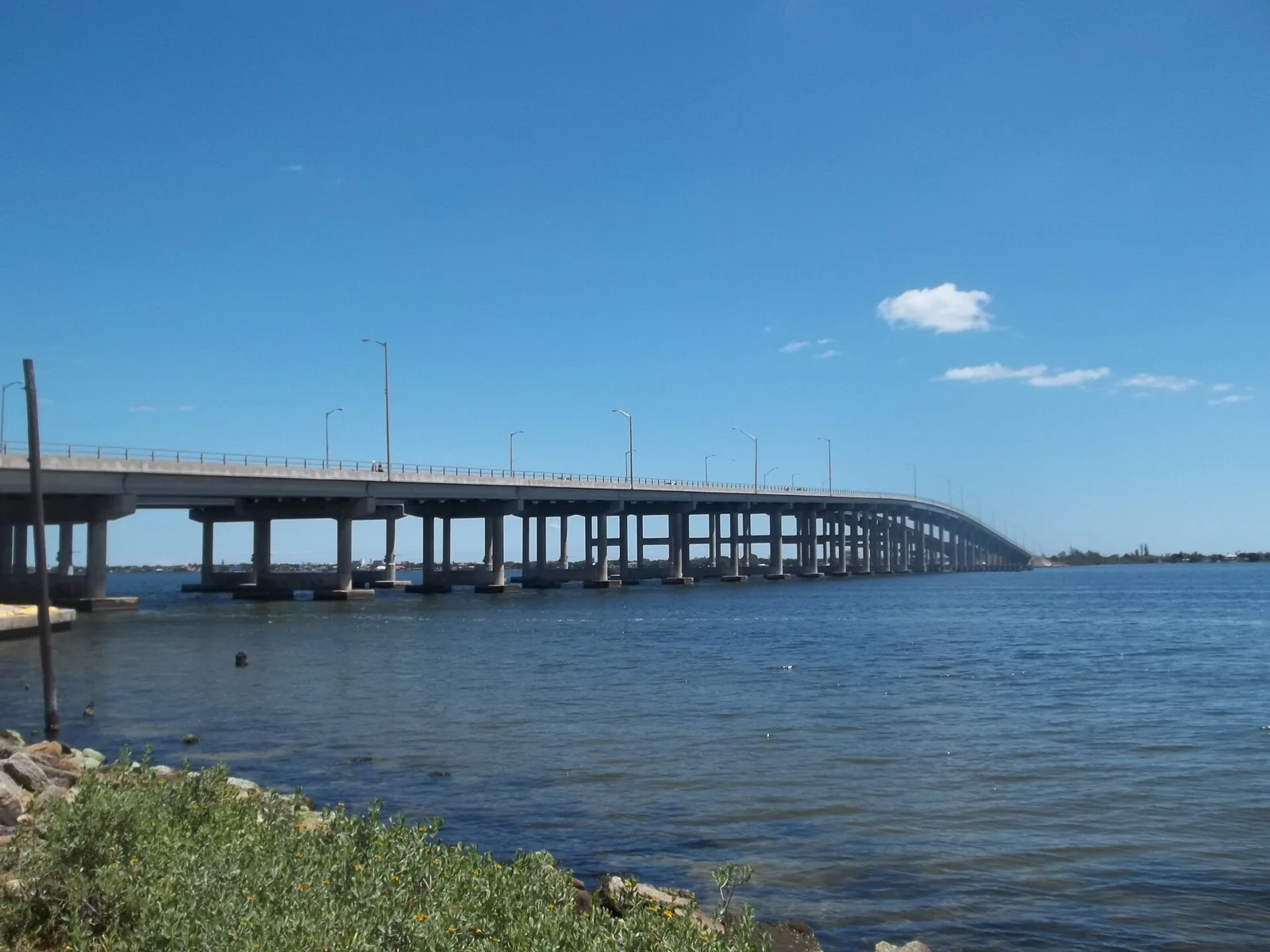
Causeways
The causeways to the beaches will not be closed before a storm arrives, the city says, so residents can leave. But it is unsafe to drive on them in tropical-storm-force winds, typically 45 mph sustained, and once those winds arrive residents are told to stay where they are.
Shelters
Shelter locations and opening times are set for each storm and posted by Brevard County Emergency Management. The county opens general population, pet-friendly and special needs shelters.
- Special needs shelters require registration in advance. They are for people whose medical equipment needs electricity, who have serious health problems or a caregiver, and who have no other safe place. Register through the county’s special needs page.
- Bring your own supplies; the county publishes a shelter packing list.
Sandbags
Brevard County and the cities announce sandbag sites when a storm threatens. Neither the city nor the county publishes a standing sandbag location, so watch Brevard County Emergency Management and CodeRED alerts when a storm is forecast.
Tax-free supplies
Florida no longer holds a hurricane sales tax holiday. Since Aug. 1, 2025, these items are always exempt from sales tax, according to the Department of Revenue’s TIP 25A01-05:
- Portable generators of 10,000 running watts or less
- Waterproof tarps and sheeting of 1,000 square feet or less
- AA, AAA, C, D, 6-volt and 9-volt batteries
- Portable gas or diesel cans of 5 gallons or less
- Ground anchor systems and tie-down kits
- Smoke detectors, carbon monoxide alarms and fire extinguishers
- Coast Guard-approved life jackets, bicycle helmets, insect repellent and sunscreen
Before, during and after
From the city’s natural emergencies FAQ:
- Before: make a plan and a kit with several days of food, water and medicine. Trim trees early; once a storm threatens, stop trimming and keep yard waste off the curb and away from storm drains. Bring in trash cans, furniture and toys.
- Water and sewer: expect possible loss of water service and a precautionary boil water notice afterward; store water ahead of time. The city may ask residents to limit water use so sewers do not back up.
- Generators: never run one indoors or in a garage. Keep it outside, at least 20 feet from windows, doors and vents.
- Food: throw out meat, dairy and eggs left unrefrigerated more than two hours, and anything touched by floodwater.
- Debris: separate storm debris from household trash. Waste Management will not pick up loose yard waste piles after a storm, only yard waste in cans or carts; the city decides whether to hire a debris contractor. Do not pile debris in the road.
- Repairs: call the Building Section at 321-608-7900 before a re-roof or demolition. Minor repairs such as a downed fence do not need a permit. FPL may require a city inspection before reconnecting a damaged home.
- FEMA help: DisasterAssistance.gov or 800-621-3362.
What this means for you
- Beachside or in a mobile home: plan where you will go now.
- Stock up any time of year; generators, tarps and batteries are tax-free.
- Sign up for CodeRED and know that 211 has the shelter list.
Related: power outages in Melbourne, trash and recycling and road construction and closures.
Frequently asked questions
Is Melbourne in a hurricane evacuation zone?
Part of it. Anyone east of the Indian River Lagoon, including beachside Melbourne, is on the barrier island and in Brevard’s mandatory evacuation zone when one is ordered. Mobile and manufactured home residents should leave in any hurricane. Check an address on the state’s Know Your Zone map.
Where are the hurricane shelters in Brevard County?
Shelters are opened storm by storm. Brevard County Emergency Management posts the open general, pet-friendly and special needs shelters, and the 211 Community Information Hotline has the list.
Do the causeways close before a hurricane in Melbourne?
The city says causeways will not be closed before a storm arrives, but it is unsafe to drive on them in tropical-storm-force winds, typically 45 mph sustained.
Is there a hurricane sales tax holiday in Florida?
Not anymore. Since Aug. 1, 2025, hurricane supplies such as portable generators, tarps, batteries, gas cans and smoke and carbon monoxide alarms are always exempt from Florida sales tax.
When does hurricane season end?
The Atlantic hurricane season runs June 1 to Nov. 30.
Have your say